fetching data ... 
Background: Adult-onset Still’s disease (AOSD) is a rare systemic inflammatory disorder associated with substantial morbidity and mortality. Owing to marked disease heterogeneity and the low frequency of fatal outcomes, early identification of patients at high risk of short-term mortality remains challenging.
Objectives: We aimed to develop and evaluate machine learning (ML) models to predict one-year mortality in patients with AOSD using nationwide population-based claims data.
Methods: Using NHISS database, we identified patients with AOSD between 2002 and 2022 based on an operational case definition incorporating diagnostic codes, healthcare utilisation, and prescription records. The primary outcome was all-cause mortality within one year of cohort entry. Candidate predictors included demographic characteristics, comorbidities, healthcare utilisation, and early treatment patterns. Multiple ML algorithms—including logistic regression, penalised logistic regression, RF, XGBoost, and SVM—were trained to address severe class imbalance. Given the rarity of the outcome, precision–recall area under the curve(PR-AUC) was the primary performance metric, with ROC-AUC, sensitivity, and specificity used as complementary measures. Explainability analyses were conducted for the top-performing models, and final model selection followed a sequential criterion prioritising PR-AUC, followed by sensitivity and specificity, to identify models with acceptable discrimination and clinical relevance.
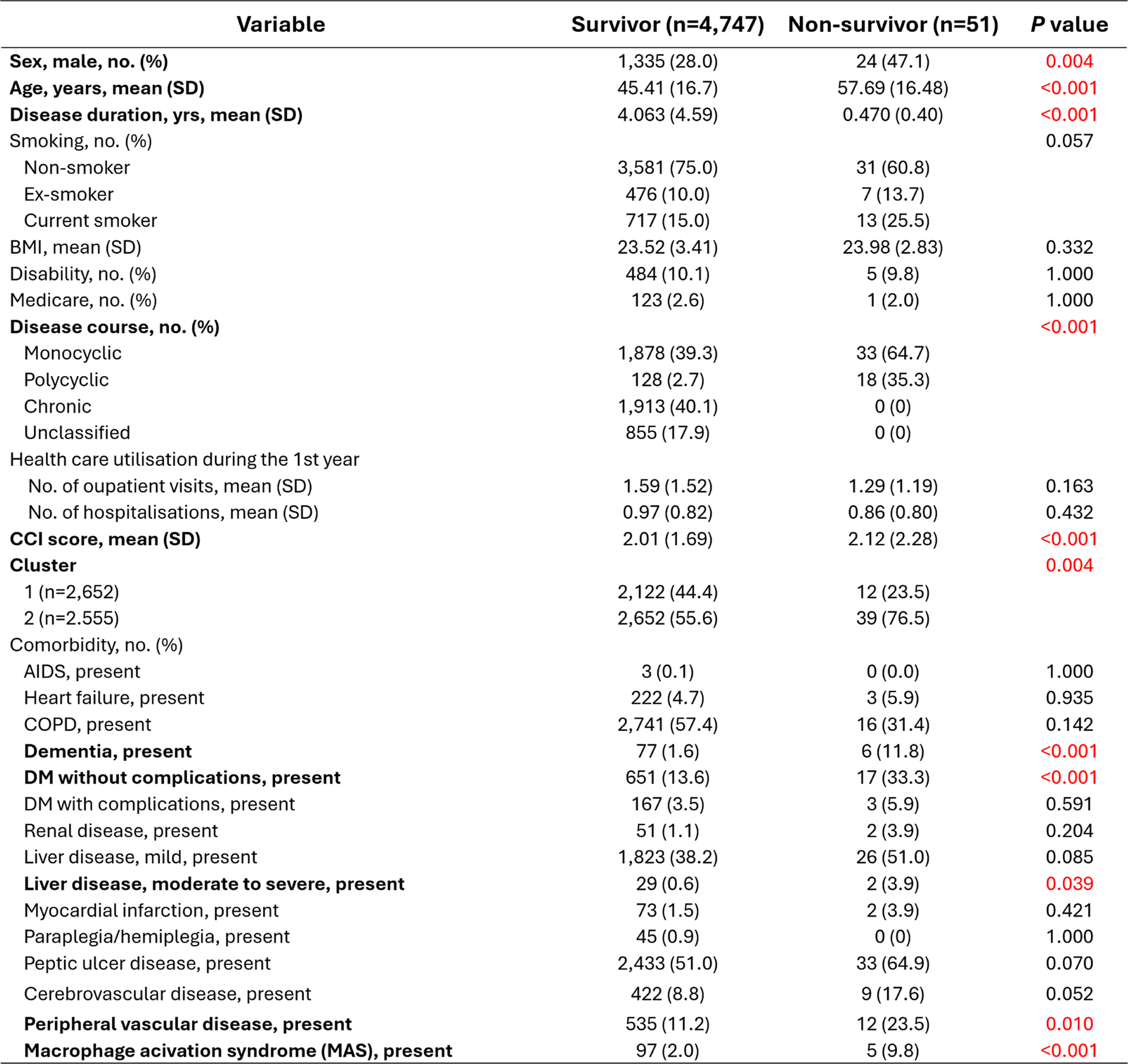
Results: Among the 4,825 patients, 51 (1.1%) died within one year, indicating extreme class imbalance. Across all evaluated modelling pipelines, several algorithms achieved high sensitivity but negligible specificity, limiting clinical applicability. Applying the sequential selection strategy, three penalised regression models—Elastic net with transformed features and RIDGE with two basic preprocessing recipes—were identified as the top-performing models, demonstrating a more balanced trade-off between sensitivity and specificity compared with tree-based approaches.
Conclusions: In this nationwide cohort of patients with AOSD, selected ML models demonstrated the ability to discriminate one-year mortality despite extreme class imbalance. These findings suggest that ML-based approaches may facilitate exploratory risk stratification in this rare and heterogeneous disease.
Overview of the machine learning modelling pipeline for one-year mortality prediction in adult-onset Still’s disease.
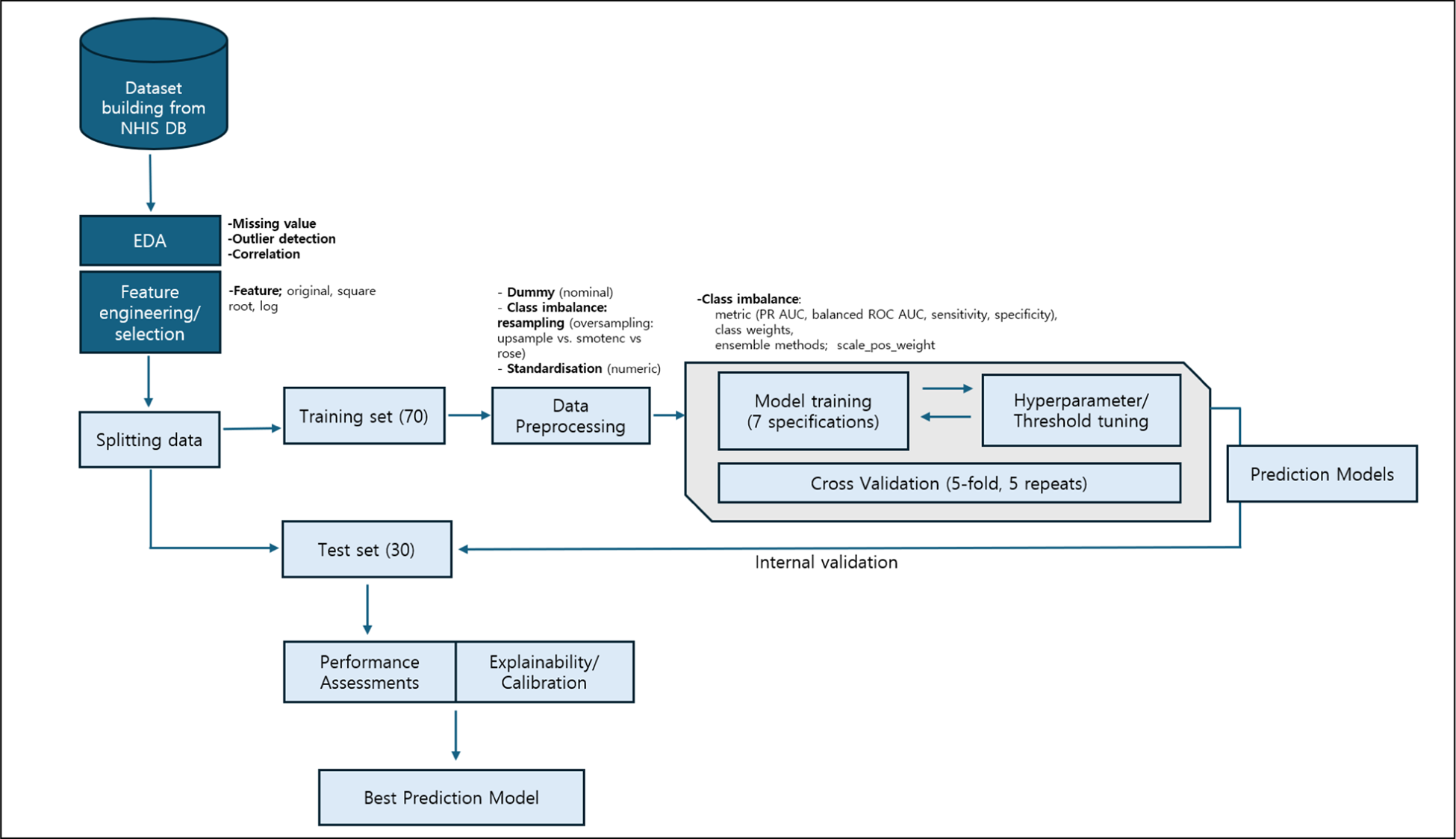
Table 1. Baseline characteristics of 1-year survivors and non-survivors with AOSD
REFERENCES: [1] Alsaber, A.R. et al. Machine learning-based remission prediction in rheumatoid arthritis patients treated with biologic disease-modifying anti-rheumatic drugs: findings from the Kuwait rheumatic disease registry. Front. Big Data 7 (2024).
[2] Koo, B.S. et al. Explainable artificial intelligence for predicting remission in patients with rheumatoid arthritis treated with biologics. Res. Sq. (2021) doi: 10.21203/rs.3.rs-273642/v1.
[3] Lee, S. et al. Maching learning to predict early TNF inhibitor users in patients with ankylosing spondylitis. Sci. Rep. 10. (2020).
Acknowledgments: NIL.
Disclosure of Interests: None declared.