fetching data ... 
Background: Despite effective pharmacological treatment, many people with rheumatoid arthritis (RA) continue to experience persistent symptoms such as fatigue, pain, and impaired physical function. Aerobic exercise is widely recommended, yet its specific effects on patient-reported outcomes (PROs) in RA remain unclear.
Objectives: To systematically evaluate the effects of aerobic exercise on patient-reported outcomes in adults with RA.
Methods: A systematic literature search was conducted in MEDLINE, Embase, Web of Science, Cochrane CENTRAL, and Google Scholar from inception to October 2nd, 2025. Randomised controlled trials (RCTs) evaluating aerobic exercise interventions in adults with RA and reporting at least one PRO of interest were eligible. Outcomes of interest included fatigue, pain, physical functioning, sleep disturbance, depression, stiffness, joint pain/tenderness, joint swelling, and quality of life. Risk of bias was assessed using the Cochrane RoB 2 tool. Due to heterogeneity in interventions and outcome measures, results were synthesised narratively.
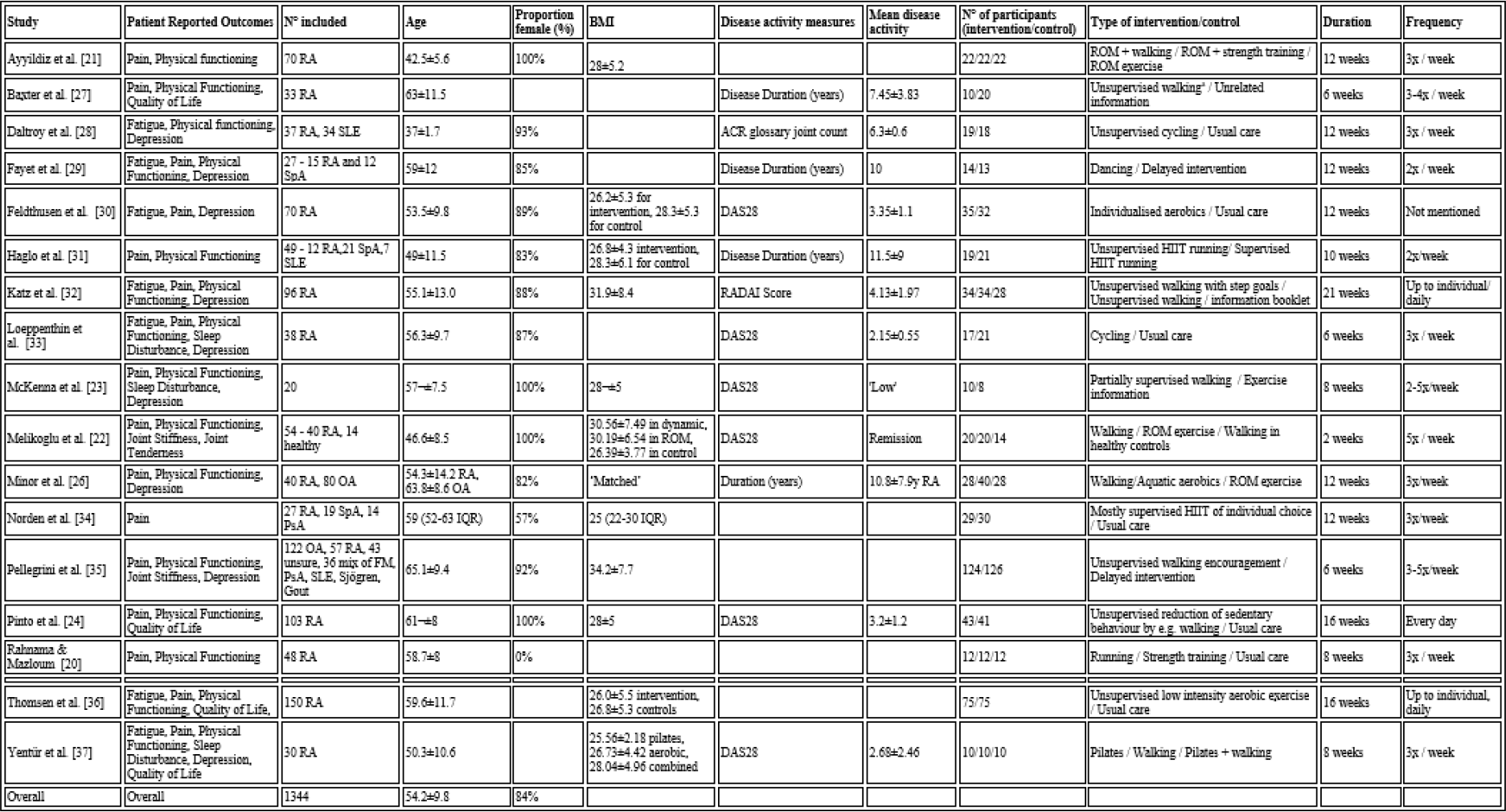
Results: Eighteen RCTs, including 1,344 participants (84% female; mean age 54 years), were included. Aerobic interventions varied widely in modality, intensity, supervision, and duration. Sample sizes were generally small, and some studies mixed patients with different disorders. Most studies (94%) were assessed to have a high risk of bias due to limited reporting and lack of blinding. The most consistent improvements were reported for fatigue, depression, and physical functioning. Several studies reported significant within- or between-group effects. Improvements in pain, sleep disturbance, and quality of life were inconsistent and generally not superior to those in control groups. No meaningful improvements in stiffness were reported, and joint swelling was not reported in any of the included studies. Where reported, effect sizes for PRO’s were small.
Conclusions: Aerobic exercise may provide small improvements in fatigue, depression, and physical functioning in people with RA; however, the evidence is limited by substantial heterogeneity and methodological weaknesses. Future RCTs should use standardised aerobic protocols, prioritize patient-relevant outcomes, and apply more rigorous trial methodology to clarify the role of aerobic exercise in RA symptom management.
Flowchart of screening process
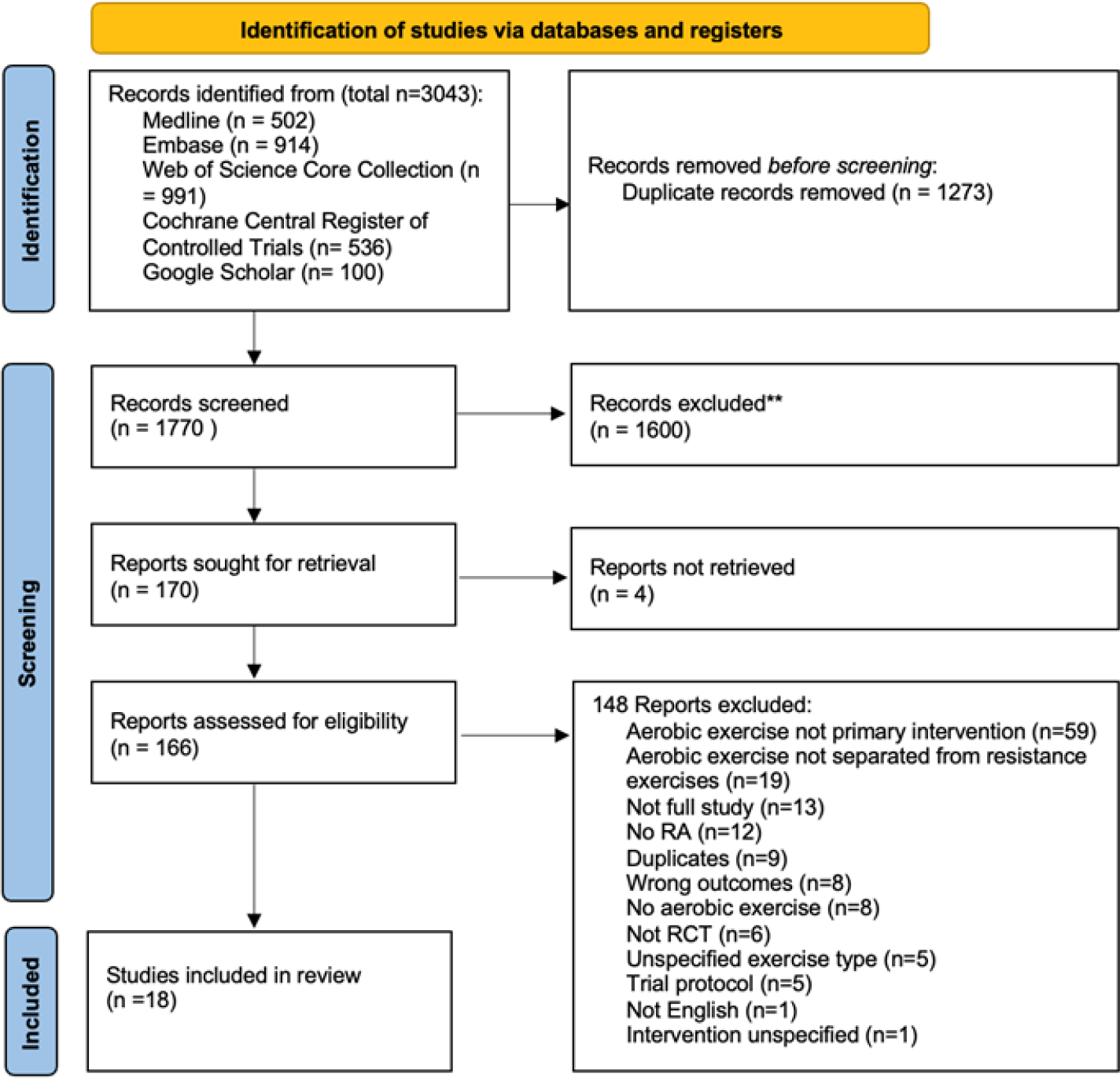
Table 1. Demographic information and characteristics of interventions of included studies
REFERENCES: NIL.
Acknowledgments: NIL.
Disclosure of Interests: Edward Egberink: None declared, Marisela Martinez Claros: None declared, Jette Primdahl: None declared, Luis Fernando Perez Novonordisk, J&J, CRISPR, Galapagos, Astra Zeneca.