fetching data ... 
Background: Adults with chronic disabling musculoskeletal disorders, often suffer limited access to long-term or ongoing adapted physical activity programs. Many of these programs are designed for pediatric age and there is a lack of safe spaces. Patient insights are essential for improving care pathways and to contribute building patient journeys
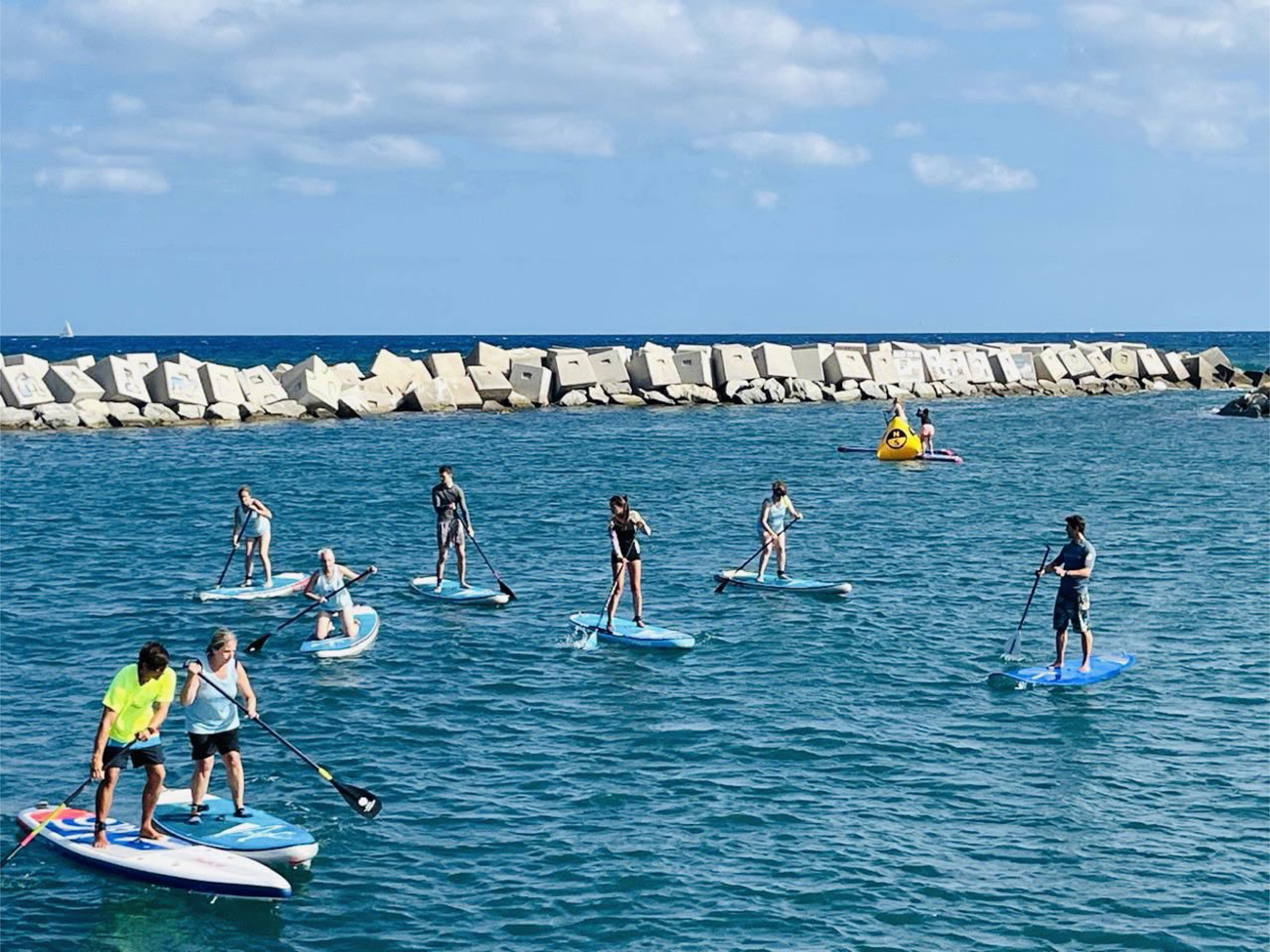
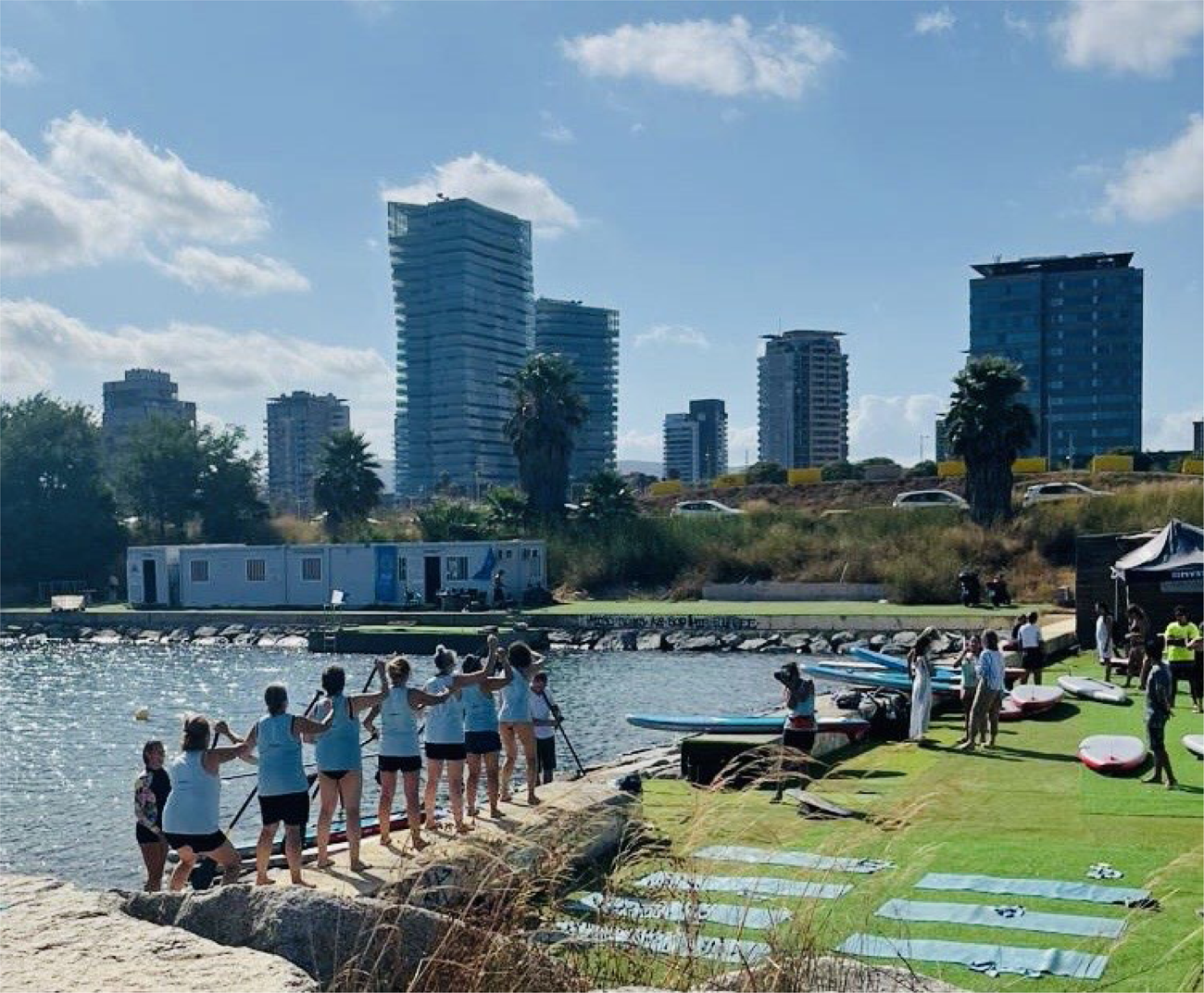
NGO Blue Health Therapeutic SUP Barcelona was co-founded by patient advocate and adaptive SUP Paddleboarder Carolina Navalon, who lives with two severe RMDs. In 2020 she began combining light stretching with weekly Stand Up Paddleboarding (SUP), finding improved stability, strength and confidence through training at the sea. By 2023 she became the first woman with a physical and organic disability in Spain to win a regional long-distance 3k paddleboarding title in Catalonia. What began as one patient’s journey has evolved into the first clinical trial researching monitored SUP programs as therapy for adults with severe RMDs. The outdoors sports programme Blue Soler Therapeutic SUP uses the city of Barcelona´s blue natured-based spaces as a therapeutic tool, to transform a patient-led personal-experience concept into a protocolised and structured, clinician-coordinated preventive health intervention
Prove Pre–Post benefits in physical and emotional (QoL) in adults with severe RMDs following a closely monitored therapeutic SUP programme outdoors by promoting a preventive approach
Establish and validate further clinical evaluation protocols to determine the impact of therapeutic SUP on the physical health, functionality, and overall well-being of participants, providing a foundation for future clinical studies
Creating protocols, training programs, and best practice guidelines to scale adapted SUP programs across education, community, and healthcare settings, promoting evidence-based practice
Evaluate feasibility, safety, acceptability of a blue Nature based Therapy model in urban coastal environment like Barcelona
Gather participants narratives to assess and help co-design future adapted physical activity programmes for adults affected by severe RMDs
Methods: Longitudinal mixed-methodology including quantitative and qualitative data gathering. Participants undergo PRE- + POST-intervention assessments. At end of each program, results are compared to evaluate significant differences. Functional ergometry tests performed by Sports Medicine Unit (UME Clinic-Sant Joan de Deu); psychological evaluations performed by clinical psychologist (Scales used: Chronic Pain Grading Scale + WHO-5 Index + Flow State Scale )
Study received approval by the Ethics Committee from Foundation Hospital Sant Joan de Dèu Barcelona (April 2025 - PROTOCOL Nr PIC-30-25)
Intervention: supervised therapeutic SUP sessions + light stretching; prioritising safety and progressive engagement of participants
Multidisciplinary team: Sports Medicine specialists, Internal Medicine, sports medicine statistician, clinical psychologist, sports-physiotherapist, epidemiologist, certified instructors
Intervention: -Pilot Study: April-July 2024.
-Clinical Study: May-August 2025.
Weekly, 90-120 minutes sessions, 3 months (12 sessions): warm-up light stretching + SUP at sea + cool down stretching
Population: Pilot study (2024): 7 adult female participants, mean age 49
Prospective Clinical study (2025): 9 adult female participants, mean age 55
Participants diagnosed with severe RMDs causing mobility restrictions, impaired physical function. Conditions: Rheumatoid Arthritis, Psoriatic Arthritis, Lupus, Axial Spondylarthritis, Sjogren’s Syndrome, Scleroderma, Arthrogryposis multiplex congenita, Arthrosis
Transitioned from a Pilot study to an Ethics Committee-approved Clinical Trial, demonstrating the feasibility and scalability of the model using urban natural blue spaces in therapeutic contexts for therapeutic and preventive medicine purposes
Pre–Post clinical assessments revealed significant improvements across physical and psychological measures (improved functional capacity, ↑ VO max, ↓ pain perception, improved strength as statistically significant, supporting therapeutic SUP as a valuable adjunct to SoC.
Functional and physical capacity: All participants improved performance (increased exercise time; delayed fatigue onset +1,18 min; body weight decreased; improved maximum heart rate, weight loss: = mean 1,8kg)
Psychological outcomes: Enhanced QoL and mental well-being were observed, confirmed by improvements in the Chronic Pain Grading Scale and WHO-5 Index
Participants experiences highlighted strong acceptability and reinforced the importance of integrating lived-experience into programme design and delivery
Participants Verbatims: ¨I feel stronger , happier more agile¨,¨I feel more confident and motivated¨; ¨I now feel proud of myself¨; ¨I stopped feeling unable and inadequate¨;¨I have overcome my fear of pain¨
Conclusions: Blue Soler Therapeutic SUP shows that a patient-led, HCP-coordinated therapeutic SUP programme is feasible, acceptable and sustainable in an urban setting, like the coastline of Barcelona, delivering meaningful gains in physical and psychological outcomes for adults with severe RMDs. Harnessing blue spaces as clinical and rehabilitation infrastructure widens access to adapted activity for people living with RMDs while promoting healthy lifestyles. These findings support integration into rehabilitation pathways and scaling of similar, patient-designed blue-therapy models to make them accessible to all the people living with RMD. Earlier findings of Blue Soler Therapeutic SUP were presented as Poster at Eular PARE Conference 20-22 November 2025. Objective for 2026: increasing sample n= to strengthen data results robustness
REFERENCES: NIL.
Acknowledgments: NIL.
Disclosure of Interests: None declared.