fetching data ... 
Background: The fetal Congenital Heart Block (CHB) is thankfully a rare occurrence. It can develop during pregnancy in women with Rheumatic Diseases who have positive autoantibodies anti-Ro/La.
Objectives: To evaluate the efficacy of hydroxychloroquine (HCQ) treatment and the monthly control in a multidisciplinary unit of Rheumatic Diseases and pregnancy on the pregnancy outcomes in women with positive anti-Ro/La.
Methods: Descriptive, prospective, longitudinal and open study of 28 pregnant patients with positive anti-Ro/La. They were attended in a specialised multidisciplinary unit of Rheumatic Diseases and pregnancy and 46 pregnancies were developed with no complications. The following variables were collected: age, maternal pathology, presence of anti-Ro52, anti-Ro60 y anti-La, prior abortions, prior babies born with CHB, result of fetal echocardiograms, treatment during pregnancy, obstetric outcomes births/abortion, pregnancy length and maternal/fetal complications.
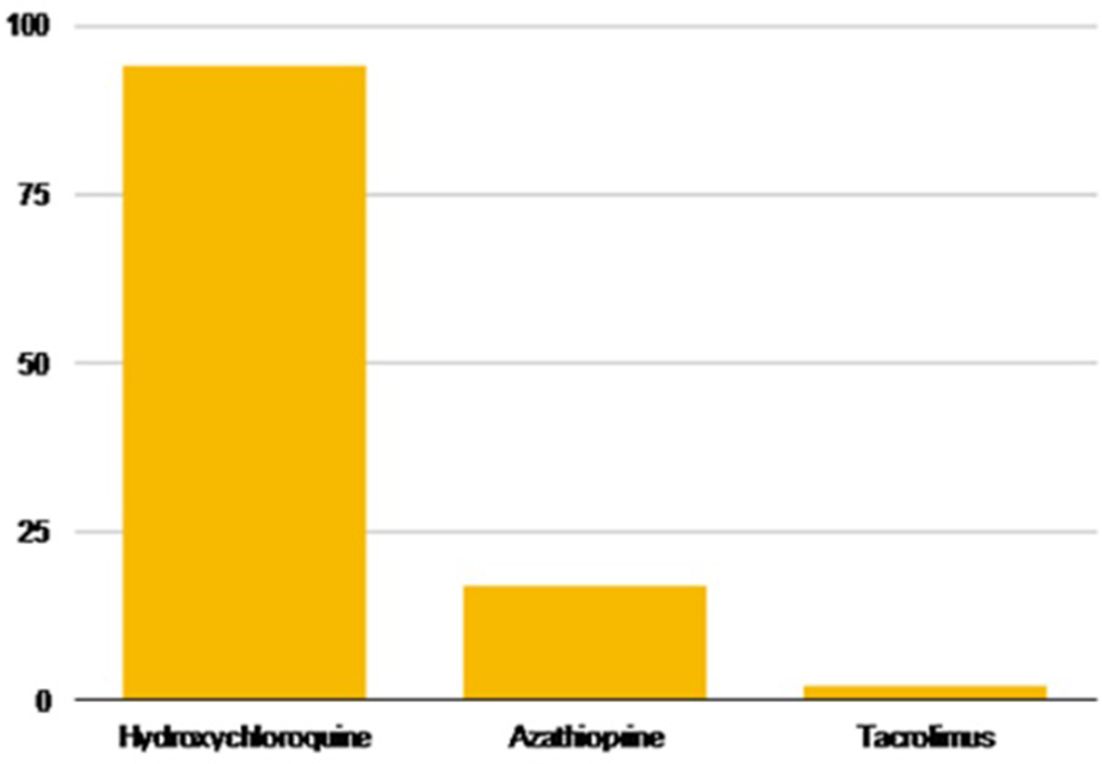
Results: 28 pregnant women were included in the study. 64.3% were diagnosed with Systemic Lupus Erythematosus, 21.4% with Sjögren’s syndrome, 10.7% with undifferentiated connective tissue and 3.6% with rheumatoid arthritis. Our patients were an average of 32.24±5.34 years old and the 35% were elder than 35 years. 46 pregnancies were developed during the monitoring with an average of 1.61±0.74 pregnancies per patient. Before the inclusion in our unit, the following fetal history was collected: 1 baby with CHB and 11 abortions. Nevertheless, during the multidisciplinary evaluation and treatment there was no baby developing CHB and only 2 abortions occurred during the first trimester. The positivity of anti-Ro52, anti-Ro60 y anti-La was 89.3%, 32% and 29% respectively. Besides, 2 patients had triple positive autoantibodies and 6 patients double positive autoantibodies. 18% of our patients were diagnosed with lupus nephritis and 29% were diagnosed with secondary antiphospholipid syndrome and/or thrombophilia. The immunosuppressive therapy received during the 46 pregnancies is specified in figure 1. Also, 50% pregnant women received treatment with acetylsalicylic acid, 24% with low-molecular-weight heparin and 41% with corticoid. The mean gestational age was 38 weeks and 11% births were caesarean. 11% babies were preterm with an average birth weight of 2871.6±494.8 grams. 87% of our patients did not have complications in the puerperium. All of our patients were monitored with periodic fetal echocardiograms from the 16th week of gestation and none had a baby with CHB or neonatal lupus (100% of the babies were born healthy).
Abstract AB0580 – Figure 1 Immunosuppressive therapy received during the 46 pregnancies (%)
Conclusions: Our results demonstrate that both treatment with hydroxychloroquine and close control in a multidisciplinary unit are effective in the prevention of congenital heart block development, in the decrease in the number of abortions and in a reduction of maternal and fetal morbidity and mortality. The multidisciplinary evaluation is essential in women diagnosed with rheumatic diseases with high obstetric risk.
Disclosure of Interest: None declared
DOI: 10.1136/annrheumdis-2018-eular.3267